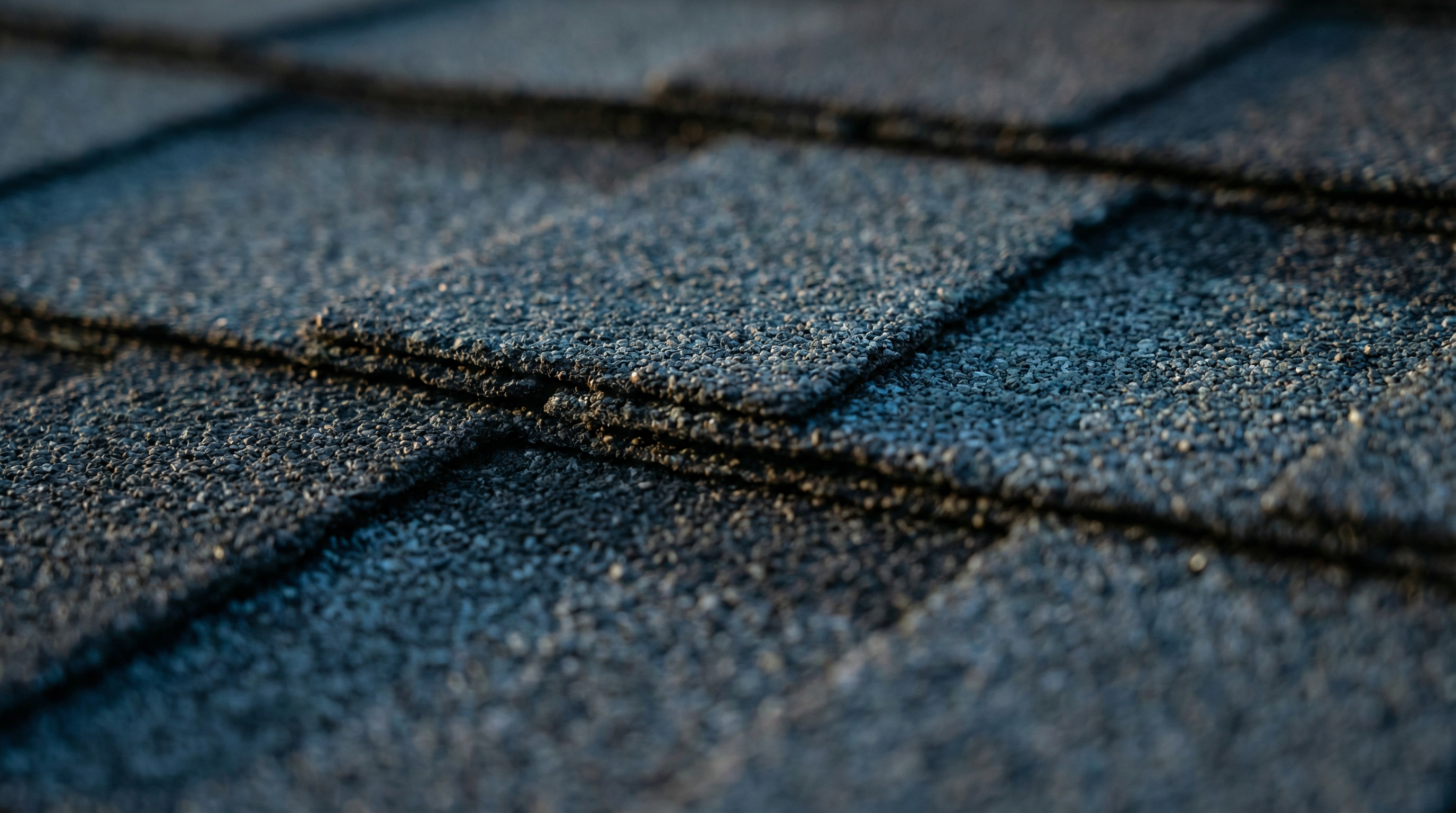
Structural Waterproofing
For Santa Clara Homes
Comprehensive waterproofing systems for flat roofs, building envelopes, and critical transition points. Protect your Silicon Valley investment from "The Invisible Enemy" — water infiltration at vulnerable intersections.
The Invisible Enemy: Silicon Valley's Hidden Threat
Understanding structural vulnerability in Santa Clara's unique climate
Silicon Valley homeowners face a unique waterproofing challenge that most contractors miss entirely. While everyone focuses on obvious roof leaks, the real danger lurks at the intersections — where your roof meets walls, where windows transition to siding, where deck ledgers attach to your home's structure.
We call this "The Invisible Enemy" because water infiltration at these critical junctions often goes undetected for months or even years. By the time you notice a stain on your ceiling or wall, thousands of dollars in structural damage may have already occurred behind your drywall.
Why Santa Clara Homes Are Particularly Vulnerable
- Thermal cycling: Silicon Valley's 40°F+ temperature swings between day and night cause building materials to expand and contract, creating micro-gaps at transition points.
- Seismic movement: Even minor earthquakes (which we experience regularly) can compromise flashing and sealant integrity at roof-to-wall connections.
- Atmospheric rivers: Our intense winter storms deliver 2-3 inches of rain in 24 hours, overwhelming improperly sealed window head flashing and deck ledger connections.
- Aging building stock: Many Santa Clara homes were built in the 1960s-1980s before modern waterproofing standards, with original sealants now decades past their service life.
The most dangerous leak isn't the obvious one dripping through your ceiling — it's the slow, persistent moisture intrusion at a window/roof intersection that's quietly rotting your framing lumber and growing mold inside your walls. This is why structural waterproofing requires a systems-based approach, not just "fixing the roof."
[30-second field clip: Thermal imaging camera revealing hidden moisture at window/roof intersection in Santa Clara home]
Flat & Low-Slope Roof Membrane Systems
Advanced waterproofing solutions for Santa Clara's modern architecture
Santa Clara's architectural landscape includes thousands of mid-century modern homes, contemporary additions, and commercial buildings with flat or low-slope roofs. These roofs require specialized waterproofing systems that go far beyond traditional shingles.
TPO (Thermoplastic Polyolefin) Membrane
TPO is the workhorse of commercial flat roofing, now increasingly used on residential applications in Silicon Valley. This single-ply membrane offers exceptional UV resistance and heat-reflective properties — critical for our intense summer sun.
- Service life: 20-30 years with proper installation
- Energy efficiency: White TPO reflects 80%+ of solar radiation, reducing cooling costs by 15-25%
- Seam strength: Heat-welded seams are stronger than the membrane itself, eliminating the #1 failure point of older systems
PVC (Polyvinyl Chloride) Membrane
PVC represents the premium tier of single-ply roofing. While more expensive than TPO, it offers superior chemical resistance and longer warranties — important for homes near industrial areas or with rooftop HVAC equipment that might leak refrigerant.
- Service life: 25-35 years
- Fire resistance: Inherently fire-resistant without additional coatings
- Flexibility: Remains flexible in cold weather, important for our occasional winter freezes
Silicone Coating Systems
For existing flat roofs that are structurally sound but aging, silicone restoration coatings offer a cost-effective alternative to complete tear-off. We apply industrial-grade silicone in multiple coats, creating a seamless, self-leveling membrane that can extend your roof's life by 10-15 years.
- Cost savings: 40-60% less expensive than complete roof replacement
- Ponding water resistance: Unlike other coatings, silicone can withstand standing water indefinitely
- Re-coatable: Can be reapplied every 10-15 years, creating a perpetual roof system
[30-second field clip: Industrial-grade silicone coating being applied to a flat roof in Santa Clara, showing the seamless application process]
The Building Envelope & Critical Transitions
Where most contractors stop — and where we specialize
The building envelope is your home's first line of defense against water intrusion. It's not just the roof — it's the integrated system of roofing, walls, windows, doors, and foundations working together to keep water out. The weakest points in this system are the transitions where different materials and planes meet.
Window & Door Head Flashing
This is the #1 source of hidden water damage in Santa Clara homes. When a window or door is installed, the head flashing (the metal or membrane above the opening) must be properly integrated with the weather-resistive barrier and any roof overhangs above it.
The problem: Many installers simply caulk around the window frame and call it done. This works for maybe 2-3 years until the caulk fails, then water runs down the wall cavity every time it rains. By the time you see interior damage, the framing is often severely compromised.
Our solution: We install a continuous flashing system that directs water away from the opening, integrated with a drainage plane behind your siding. This creates multiple lines of defense, so even if the outer seal fails, water cannot reach your framing.
Roof-to-Wall Transitions
Where a lower roof meets a vertical wall (common in two-story homes and additions), you need step flashing integrated with the wall's weather barrier. This is complex work that requires understanding how water flows and where it can be redirected.
- Step flashing: Individual pieces of metal woven into each shingle course, extending up the wall
- Kickout flashing: At the bottom of the wall, a special piece directs water away from the wall and into the gutter
- Counter flashing: Embedded into the wall itself, covering the top edge of the step flashing
Deck Ledger Waterproofing
If you have a deck attached to your home, the ledger board (the horizontal board bolted to your house) is a critical waterproofing detail. Water that gets behind the ledger can rot both the deck structure and your home's rim joist — a $10,000+ repair.
Modern building codes require a continuous flashing system behind and below the ledger, but many older decks were built without this protection. We retrofit proper flashing even on existing decks, often without removing the entire deck structure.
[30-second field clip: Proper installation of window head flashing integrated with roof-to-wall transition in Sunnyvale home]
The Storm-Shield Preventative Maintenance Package
Proactive protection before problems develop
The most cost-effective waterproofing strategy isn't fixing leaks — it's preventing them in the first place. Our Storm-Shield Package is a comprehensive maintenance protocol designed specifically for Silicon Valley's climate and building types.
Bi-Annual Comprehensive Inspection
Complete roof and building envelope assessment in spring (pre-summer) and fall (pre-winter). We check every transition point, flashing detail, and sealant joint.
Preventative Sealant Refresh
We re-seal critical areas before failure occurs, including: roof penetrations (vents, pipes), chimney flashing, window head flashing, deck ledger connections, and roof-to-wall transitions.
Gutter & Drainage System Clearing
Full gutter cleaning, downspout testing, and roof valley debris removal. We ensure water flows away from your home, not into it.
Thermal Imaging Scan
Annual thermal imaging of your building envelope to detect hidden moisture intrusion before it causes visible damage. Includes detailed report with infrared images.
Priority Storm Response
During atmospheric river events, Storm-Shield members jump to the front of our emergency response queue. If a leak develops during a storm, we're there same-day.
Discounted Repair Pricing
20% discount on any additional repair work needed. Plus, small repairs identified during inspections (under $200 value) are included at no charge.
[30-second field clip: Storm-Shield inspection in progress, showing thermal imaging scan and preventative sealant application]
Silicon Valley Case Studies
Real waterproofing solutions for local homes
Problem: 1962 single-story home with original flat roof over kitchen addition. Homeowner noticed ceiling stains after heavy rain but couldn't locate the source. Previous roofer applied tar patches with no improvement.
Our diagnosis: Thermal imaging revealed water entering at the roof-to-wall transition where the flat roof met the main house. The original step flashing had deteriorated, and water was running down inside the wall cavity before appearing on the ceiling 8 feet away from the actual entry point.
Solution: Removed a section of siding to access the transition point. Installed new step flashing integrated with a peel-and-stick membrane, then applied a silicone coating system to the entire flat roof surface. Total cost: $3,200. Prevented what would have been $15,000+ in structural repairs if left unaddressed.
Homeowner feedback:
"Jimmy found the problem in 20 minutes that two other roofers couldn't locate in multiple visits. The thermal camera was like magic — you could see exactly where the water was coming in. No more leaks after three winters."
Problem: Second-story deck showing signs of rot at the ledger board. Home inspector flagged it during a pre-sale inspection, putting a $25,000 deal at risk.
Our diagnosis: Deck was built in 1998 without proper ledger flashing — a common issue for that era. Water had been running behind the ledger for 25+ years, rotting both the deck framing and the home's rim joist.
Solution: Removed deck boards near the house to access the ledger. Cut out rotted rim joist section and sistered in new treated lumber. Installed a continuous flashing system behind the ledger with a drainage gap. Reinstalled deck boards and applied waterproof coating to all cut ends. Total cost: $4,800. Sale closed on schedule.
Homeowner feedback:
"We thought we'd have to rebuild the entire deck. Jimmy's solution was surgical — he fixed exactly what needed fixing and left everything else intact. The buyer's inspector approved the repair and we closed escrow."
Problem: Small office building with 3,200 sq ft flat roof. 18-year-old EPDM rubber roof showing wear but not actively leaking. Building owner wanted to extend the roof's life without the disruption and cost of complete replacement.
Our diagnosis: EPDM membrane was still structurally sound but UV-degraded and losing elasticity. Seams were the weak point — some showed early signs of separation.
Solution: Applied a silicone restoration coating system in three coats, with extra reinforcement at all seams and penetrations. Added tapered insulation in low spots to eliminate ponding water. Total cost: $18,500 vs. $45,000 for complete tear-off and replacement.
Building owner feedback:
"The silicone coating saved us $25,000 and we got a 15-year warranty. The roof looks brand new and our cooling costs dropped 18% the first summer. Best ROI of any building improvement we've made."
[30-second field clip: Before/after comparison of Willow Glen case study, showing thermal imaging results and completed waterproofing]
Technical FAQ
It depends on the system. TPO and PVC membranes last 20-35 years. Silicone coatings last 10-15 years but can be recoated indefinitely. Flashing and sealants should be inspected every 5 years and refreshed as needed — this is why our Storm-Shield maintenance package is so valuable.
Yes, in many cases. If the roof structure and decking are sound, we can apply restoration coatings or install new flashing systems without full replacement. This saves 40-60% compared to tear-off and replacement. We'll assess your specific situation and recommend the most cost-effective approach.
Water-resistant materials slow water penetration but will eventually fail under sustained exposure. Waterproofing creates an impermeable barrier that prevents water infiltration indefinitely. For critical areas like flat roofs and below-grade foundations, true waterproofing is essential.
Yes. We provide a 5-year workmanship warranty on all waterproofing installations. Membrane systems (TPO, PVC) come with manufacturer warranties of 15-30 years depending on the product. Silicone coatings carry 10-15 year manufacturer warranties. Storm-Shield maintenance package members receive extended warranty coverage.
If you have a flat or low-slope roof, multiple transition points (roof-to-wall, deck ledgers, etc.), or a history of recurring leaks, you likely need comprehensive waterproofing. Our free assessment includes thermal imaging and moisture testing to identify all vulnerable areas — not just the obvious leak points.
R3 Dispatch: Get Your Waterproofing Assessment
Schedule your comprehensive structural waterproofing evaluation. We'll identify every vulnerable point in your building envelope and provide a detailed protection plan.
Manual Form • Response in 24h
Prefer a call back? Fill out our 30-second form and an expert will contact you shortly.
Same-Day Response
We'll contact you within 2 hours
30+ Years Experience
Silicon Valley waterproofing specialists
300+ 5-Star Reviews
Trusted by Santa Clara homeowners